Small businesses and independent creators still find solid ground on Facebook. It may not be the newest platform, but it remains one of the few places where you can reach followers, run sales, post updates, host events, and handle customer service—all in one space. If you’re a local shop owner or someone building an audience with your content, Facebook offers real advantages. But just showing up isn’t enough. It takes clear choices and smart use of the right tools to turn likes and comments into sales and community.
Building a Page That Attracts and Converts
Your Facebook Page is often the first impression. It’s where people decide whether they’ll follow you, send a message, or move on.
Start with your photos. Your profile picture should be instantly recognizable—either a friendly headshot or a clean logo. The cover photo should show what you offer or highlight a moment from your work. Avoid overly edited or busy images. Simple and sharp works better.
Make the “About” section clear and personal. Don’t fill it with slogans or buzzwords. Let people know what you do and why. Add your website, contact details, and any business hours. The more complete the Page, the more likely it shows up in searches and recommendations.
Turn on messaging. Fast replies help close sales and build trust. You can use Facebook’s automatic responses for FAQs, and set a friendly away message if you’re not available.
Posting regularly doesn’t mean daily. Three times a week works for most. Share a mix of real content: how something is made, a customer review, a new product, or a behind-the-scenes look at your day. Phone-shot videos often get more attention than polished graphics. Write in your own voice, like you’re talking to one person.
Using Facebook Business Tools the Right Way
A few key Facebook business tools can simplify your workflow and make your efforts go further.
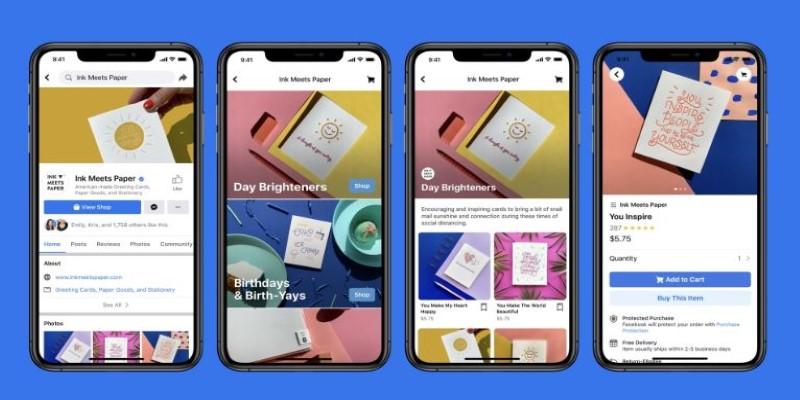
Start with Meta Business Suite. This free tool lets you schedule posts, reply to messages, and track your content’s performance for both Facebook and Instagram. It’s designed for users who don’t have time to manage everything daily.
If you sell products, set up a Facebook Shop. It gives visitors a clear way to browse and buy without leaving the platform. It connects easily with platforms like Shopify and makes product tagging easy.
If you host any events—live or online—use the Events feature. It reminds followers ahead of time and helps increase turnout. You can use it for launches, livestreams, or even small local pop-ups.
Look at your Insights every week. See what posts get clicks, when your audience is online, and which formats perform best. You don’t need to read every chart, but the trends will help guide future content.
While Ads Manager can seem overwhelming, you can start small. Boost posts that are already doing well, or run simple retargeting ads to people who have interacted with your Page or visited your site.
Tactics That Actually Work for Growth and Sales
There’s no shortage of advice online, but simple actions often get the best results on Facebook.
Stories connect more than pitches. If you’re a creator, share what inspired your latest piece or show your process. If you’re a small business, post how a product is made or how a customer used it. People remember stories, not sales blurbs.
Reply to every comment when you can. Each reply encourages more activity, which helps your post stay visible. Tag the person when responding—it’s a small action that invites them back.
Facebook Groups are often more active than Pages. Start one related to your work, or join existing ones. A local baker could join community groups and share useful posts, not just promotions. Groups build trust and conversations.
Going live, even with five viewers, can be more powerful than a feed post. Q&As, product previews, or casual updates make your brand feel more human.
Stay away from bait-style posts asking for reactions or shares without real value. Facebook limits reach for these. Ask real questions, invite honest opinions, and focus on interaction instead of chasing numbers.
Team up with others. Share content from fellow creators or small businesses. Tag each other. It widens your audience without costing anything.
Staying Consistent Without Burning Out
Managing Facebook marketing alone can wear you down if you try to do too much too fast.

The best approach is batching. Spend a few hours once a week creating and scheduling all your posts. Meta Business Suite makes it easy to line things up and forget about them for a few days.
Recycling content isn’t lazy—it's smart. A short video can become a photo post later. A quote or tip shared once can be revisited with a new context. Most people won't remember, and if they do, it only reinforces your message.
Be honest about your time. If you’re taking a break, let your followers know with a short post. A quiet Page feels abandoned; a quick update keeps people in the loop.
Set simple goals that are easy to measure. Instead of “go viral,” try “gain five followers this week” or “post consistently for 30 days.” Over time, small wins matter more than big bursts.
Facebook business tools help lighten the load. Use them to automate what you can and keep your focus on content and community. When in doubt, keep it simple and show up as yourself.
Conclusion
Facebook marketing for small businesses and creators doesn’t need to be complex. The real work is showing up consistently, using the tools that make sense for your size, and keeping your content focused on connection. Forget chasing trends or trying to master everything. Build a Page that reflects who you are. Post with intention, not pressure. Use features like Shops, Events, and Insights when they fit. Over time, your audience grows not because you followed every trend, but because you stayed clear, useful, and real. That’s what keeps people coming back.