Most social apps today feel like they’re built for broadcasting, not connecting. For teens, this makes scrolling through Instagram or TikTok more about performance than personality. That’s why many younger users are turning to Noplace, a low-key, text-first app that’s part social platform, part digital diary.
It offers a space where they can be expressive without the high stakes. While anyone can technically join, it’s obvious the app isn’t aimed at adults. Its mood, features, and community are all shaped by teen culture—and that’s what makes it stand out.
What Is Noplace and Why Does It Feel Different?
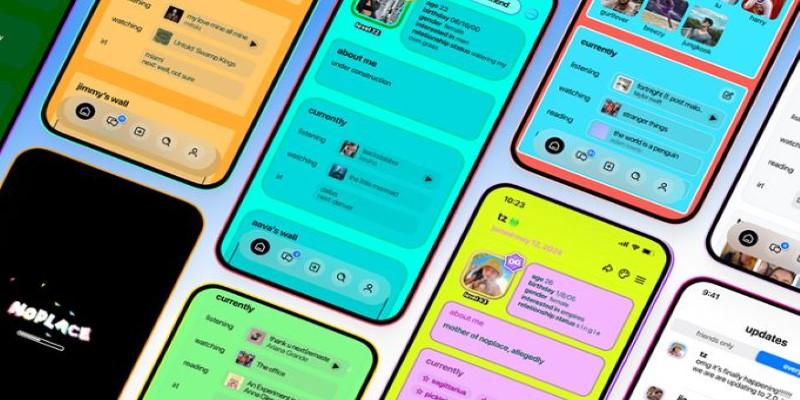
Noplace doesn’t try to compete with the big players—and that’s exactly why it stands out. There are no attention-hungry algorithms, no looping videos fighting for views, and no popularity meters disguised as likes. Instead, what you get is a feed that just… flows. It’s chronological, stripped-down, and full of short, off-the-cuff updates from people you want to hear from. Some are funny, others a little weird, and plenty are just someone venting or sharing a mood.
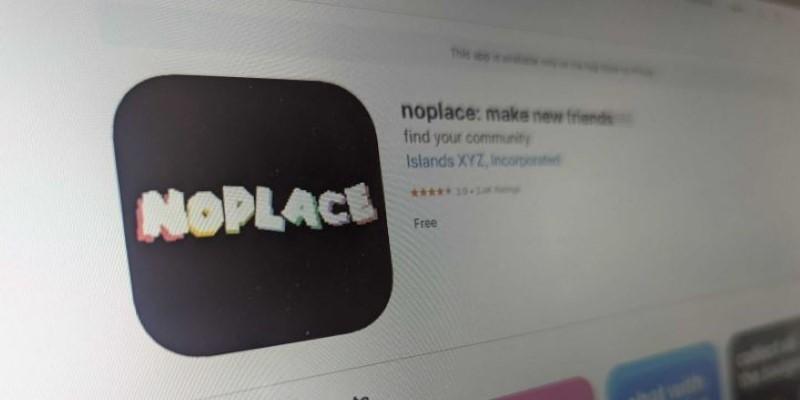
Profiles are where things get more personal. Users build them out with tags like “overthinker,” “night owl,” or “reader of sad books.” It’s like decorating your locker in high school—random, expressive, and totally yours. There’s no template for how you should show up, and no one’s trying to “optimize” their personality.
There are no filters, trends to chase, or pressure to make something go viral. You just say what’s on your mind. That might be a favorite lyric, a random thought, or a one-word check-in. It feels more like writing in a friend’s notebook than posting to the whole internet.
And while the tone is light, it’s not shallow. It’s unfiltered but not careless. Noplace captures a kind of digital honesty that’s hard to find anywhere else. It’s social media without the stage.
The Appeal to Teen Users and the Nostalgic Core
Noplace resonates with teenagers because it gives them room to show personality without overthinking it. Where older platforms often reward conformity or trend-following, this one makes space for individual quirks. It feels personal in the way passing notes in class used to—more about sharing moments than chasing reactions.
Even though many users have never experienced MySpace or early Tumblr, Noplace hits a similar nerve. There’s an element of DIY spirit—users decorate their space, choose their vibe, and post without planning. Unlike the crisp, edited content found on more mainstream platforms, this one is built on raw expression.
Teen profiles reflect moods, interests, and in-jokes. You might see someone call themselves a “book dragon” or list their favorite snacks. That sense of humor and self-awareness makes each profile feel different, even when the updates are short.
Another big draw is the lack of outside pressure. There are no influencers telling you how to post, no ads telling you what to buy, and no adult oversight shifting the conversation. Teens are free to be awkward, weird, or vague—without having to explain it. This kind of space is rare on the internet, where most platforms are shaped by marketing and analytics.
That might be why Noplace feels like it belongs to its users. They shape the culture through how they use it, not the other way around. It’s not about following a trend—it’s about carving out your own voice.
Why Adults Might Not Get It—and That’s Okay?
Although the app is open to all, it’s clear that grown-ups aren’t the target. The design, tone, and content are deeply tied to teen culture, and older users often find themselves unsure of how to participate. For teens, this disconnect is a good thing. It protects the space from becoming another adult-monitored platform.
Adults often look for utility, structure, or professional networking on social media. But Noplace isn’t trying to be useful—it’s trying to be fun, immediate, and personal. It doesn’t offer features like job sharing, content monetization, or deep analytics. There’s no status boost for having a polished page. That’s why it doesn’t appeal to older users who are used to more structured or goal-driven platforms.
This separation is part of what makes the app work. Teens can speak their own language without adjusting it for adults. They don’t need to translate their feelings or explain their jokes. The space feels like it belongs to them, not just in use but in spirit.
When adults do try to participate, they often find themselves observing rather than engaging. That distance is key. It keeps the space from losing the spontaneity that defines it. For now, Noplace manages to preserve that balance by keeping the focus on personal expression instead of popularity or polish.
The Future of Noplace and Whether It Can Stay Youth-First
Noplace is still in its early stages, and for now, it has kept its identity intact. But if it starts drawing more attention from older users or commercial interests, the tone could shift. That’s been the story for many apps. What begins as a teen hangout often changes once growth becomes the focus.
The developers seem aware of this. They’ve made choices that show they’re building for current users, not mass appeal. The chronological feed, text updates, and quirky profiles reflect that. There’s no push to shape the app around influencers or brand visibility.
The real challenge is scale. As more people join, the culture could weaken. But if the team stays focused on teen users and ignores outside pressure, it might hold onto what makes it work.
Right now, Noplace feels like an app going its own way. No major partnerships, no celebrity faces, no claims about being “the next big thing.” That low-key attitude may be what helps it last.
Conclusion
Noplace is a space for teens to share freely without pressure or judgment. With mood-based updates, profile tags, and a casual vibe, it feels personal and unfiltered. Adults might not connect with it, but that’s the point. Its future depends on whether it can grow without losing the honest, youth-centered energy that makes it feel like home.