The Pixel 8 was a good phone—smart, capable, and stylish—but not without some rough edges. From heating issues to a fingerprint sensor that felt like a step behind, it left room for improvement. That’s where the Pixel 9 comes in. Google didn’t just iterate; it listened. This year’s device feels less like a minor upgrade and more like a course correction.
Whether you care about better battery life, smoother performance, or just a brighter, more responsive screen, the Pixel 9 addresses the exact things users pointed out last year. It’s what the Pixel 8 wanted to be—finally delivered.
6 Pixel 8 shortcomings Google fixed with Pixel 9
Better Thermal Management
The Pixel 8 had a tendency to run warm, even during everyday tasks like video recording or map navigation. Push it harder with gaming or multitasking, and the phone would heat up fast, often leading to slower performance as the system tried to cool itself down. It wasn't a dealbreaker, but it was enough to be annoying. With the Pixel 9, Google finally tackled this head-on.
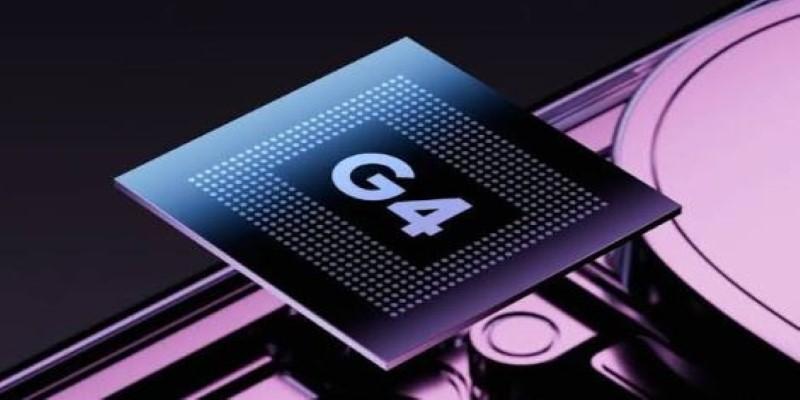
The new internal cooling setup does a much better job at keeping temperatures in check. Paired with a more efficient Tensor G4 chip, the Pixel 9 stays cooler under pressure. Whether you’re on a video call or watching high-res content, the device holds steady—no more sweaty palms or noticeable slowdowns when things heat up.
Brighter, Smarter Display
The Pixel 8’s OLED display was decent, but not class-leading. It struggled a bit outdoors, especially in direct sunlight, where brightness just wasn’t enough. Color tuning was another point of contention—some found it slightly off, with a cooler tone that didn’t feel natural.
The Pixel 9 fixes both these things. First, brightness has been significantly boosted, now reaching higher peak levels that make a difference in daylight visibility. Second, Google has refined the color calibration, offering more balanced hues and deeper contrast. It feels like the Pixel 9’s screen belongs on a premium flagship, rather than falling slightly behind.
Google also included adaptive refresh rate improvements. While the Pixel 8 could shift between 60Hz and 120Hz, the Pixel 9 adds smoother transitions and more consistent responsiveness. This results in better battery savings without compromising on visual fluidity.
Refined Fingerprint Sensor and Face Unlock
Pixel 8’s under-display fingerprint sensor wasn’t bad, but it wasn’t great either. It could be slow or inconsistent, particularly in bright light or with slightly damp fingers. The Face Unlock feature worked for basic unlocking but wasn’t secure enough for app authentication.
The Pixel 9 brings a much-needed upgrade here. The new ultrasonic fingerprint sensor is faster and more accurate, cutting down failed attempts noticeably. On top of that, Face Unlock is now supported at a higher security tier. That means it’s not only quicker, but also trusted for sensitive apps like banking or password managers. This dual-authentication setup now works the way it should have last year.
Smoother Software with Better Optimization
The Pixel 8 series launched with Android 14, and while it ran fine for the most part, users did notice stutters during multitasking or when switching between demanding apps. Sometimes animations would lag just enough to break the illusion of smoothness, especially on the smaller Pixel 8.
With the Pixel 9, software optimization has taken a step forward. Google seems to have fine-tuned memory management and background app handling. The result is a more fluid experience, even under heavy load. Animations are more cohesive, transitions feel seamless, and app launch times have improved. This isn’t just about faster hardware—it’s how the system uses that power more efficiently.
There’s also a new AI-backed resource management system that preloads your most-used apps and features based on routine. It’s subtle but noticeable after a few days of use, giving the Pixel 9 an edge in real-world performance.
Improved Battery Life
Battery life on the Pixel 8 was average. Not bad, but not dependable enough to get through a demanding day without some anxiety. The battery capacity itself wasn’t the problem—it was how the phone managed power. High screen refresh rates, inefficient background processes, and occasional heat buildup drained the battery faster than expected.
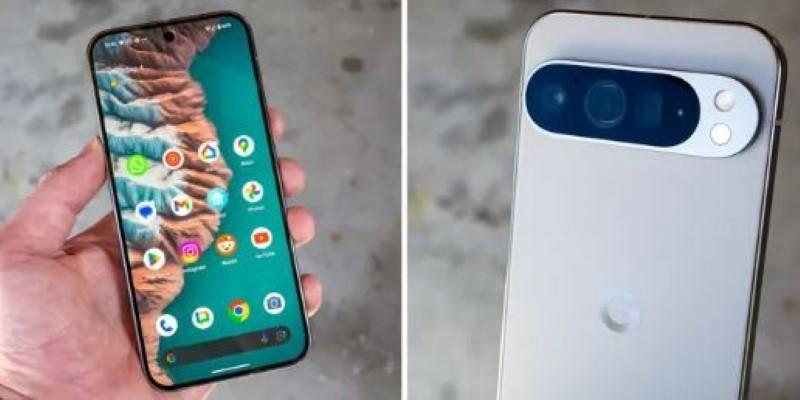
Google corrected this in the Pixel 9 with a multi-pronged approach. First, the device includes a slightly larger battery. Second, the Tensor G4 is more power-efficient. But most importantly, the adaptive battery system has been reworked. It now learns your habits more intelligently, reducing background drain and focusing power where it's needed.
Wireless charging is faster and more consistent as well, and Google has slightly increased wired charging speeds. This all adds up to a phone that lasts longer and charges more quickly—two key areas where the Pixel 8 fell short.
Better Camera Processing and Low Light Improvements
While the Pixel 8’s camera hardware was solid, some users felt the processing leaned too heavily into sharpening and contrast. Low-light performance was decent but didn’t quite match up to competitors like Samsung and Apple, especially in motion-heavy scenes or dim environments.
With the Pixel 9, Google has adjusted the image processing pipeline to be less aggressive. Photos now retain more natural texture, especially in skin tones and shadow areas. The oversharpened look is gone, replaced by a more balanced output.
Low-light photography has also received a boost. Thanks to a faster main sensor and refined Night Sight algorithms, the Pixel 9 captures better detail and more accurate colors in dark settings. Motion handling has improved too, reducing blur and allowing for clearer shots in tricky conditions.
The secondary camera improvements—particularly in the ultrawide lens—make group photos and landscapes look sharper and more consistent in color. Combined with subtle AI enhancements, the camera feels more versatile and reliable across the board.
Conclusion
The Pixel 9 doesn’t reinvent anything—it simply fixes what didn’t land well with the Pixel 8. Issues like heat, fingerprint delays, and battery concerns have all been thoughtfully addressed. This isn’t just another yearly refresh; it feels like a real correction. The Pixel 9 delivers a smoother, more refined experience that finally blends smart software with reliable hardware. If the Pixel 8 held you back, this one might just win you over.