Emotional distress can come out of nowhere. Some days it creeps in quietly, other days it crashes down without warning. Whether it’s the weight of work, personal setbacks, or just feeling overwhelmed by life’s noise, the body and mind both react. During such times, not everyone wants to talk or even knows how.
That’s where tools that fit in your pocket, your phone—can offer small moments of relief. Android apps designed for stress and mental clarity aren't a cure, but they can give you space to breathe, slow down, and feel a little more in control again.
8 Android Apps That Help Alleviate Stress During Emotional Distress
Mindfulness with Headspace
Headspace focuses on guiding you through meditation in a way that feels conversational and grounded. When stress hits hard, it's short sessions, some under five minutes, that help slow racing thoughts. You can choose guided meditations, calming animations, or wind-down exercises before sleep. It's structured without feeling rigid.
You don't have to commit to long sessions or complex practices. For someone feeling emotionally drained, the app's tone remains reassuring without being overly cheerful or artificial. The app also includes breathing techniques and body scans that can redirect your focus when spiraling thoughts feel endless.
Mood Tracking with Daylio
Sometimes, stress builds without a clear reason. Daylio offers a quiet, private way to track your mood and daily habits. There are no long entries to write unless you want to. You just tap how you feel and what you did—exercise, socialized, worked, stayed in, etc. Over time, patterns emerge.
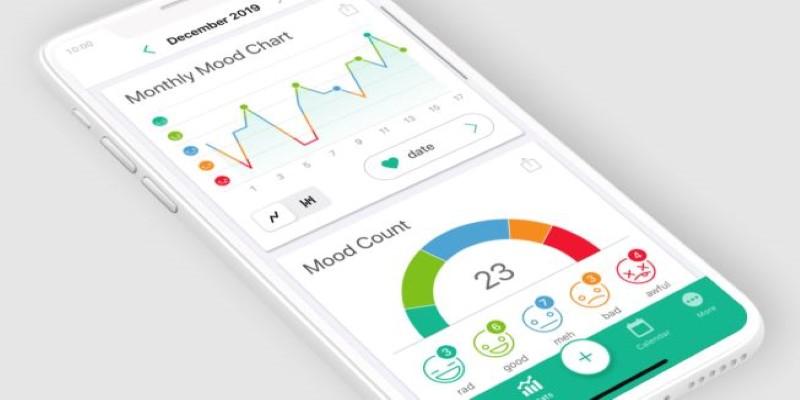
The more days you log, the more you might start to see which activities are quietly helping or hurting your mood. During emotional lows, it’s easy to lose track of time and habits. Daylio gives you a clearer picture, which in itself can be grounding.
Soothing Sounds with Calm
While Calm is more widely known for its sleep stories, it offers much more for those under emotional stress. Its soundscapes—like gentle rain, flowing water, or forest ambiance—can play in the background while you try to settle your nerves.
For those who struggle to sleep or wake up anxious, the app's guided breathing tools and relaxation music offer a non-intrusive way to wind down. Unlike some apps that overload you with options, Calm's layout remains clean, and each section feels thoughtfully arranged.
Grounding Techniques with Rootd
Rootd stands out for those dealing with intense emotional waves or panic. It’s built around the idea of grounding—bringing you back from spiraling thoughts into the present moment. One of its most direct features is a big red panic button. When tapped, it walks you through steps to calm your body and thoughts.
There are also short lessons that explain what’s happening inside your brain during stress, but not in a medicalized or abstract way. It’s designed to feel like a pocket companion when things feel too much, especially if you’re alone or not ready to talk.
Emotional Journaling with Reflectly
Writing isn’t for everyone, but Reflectly is less about journaling in the traditional sense. It prompts you with questions like “What made you smile today?” or “What was something that felt heavy?” and lets you type or tap your way through.
The app learns your tone over time and gently nudges you toward reflection without pressure. It uses a minimal interface that keeps you from feeling boxed in or analyzed. Reflectly can help you make sense of your emotional state without needing to dig too deep all at once.
Breathing Exercises with Breathwrk
One of the first things to go during emotional stress is proper breathing. Breathwrk is entirely focused on helping you fix that. The app offers various breathing routines based on your current state—whether you're feeling anxious, angry, tired, or frozen.
Sessions are short and come with sound and vibration cues to help you follow along without staring at your screen. It’s surprisingly effective in shifting your physical state within minutes. Unlike broader meditation apps, Breathwrk stays tightly focused on the breath, which can be easier to connect with during distress.
Cognitive Support with Woebot
Woebot is a conversational AI chatbot trained in Cognitive Behavioral Therapy techniques. What makes it different is its tone—informal, warm, and responsive without being pushy. You chat with it like you would a friend, and it responds with questions or exercises based on what you’ve said.

It doesn’t try to solve your problems, but it helps reframe your thinking. For people who aren’t ready to talk to a therapist or feel isolated, Woebot can help unpack emotions or check distorted thoughts without judgment. It’s particularly useful during late nights or moments when you need a mental check-in.
Nature Exposure with Tide
Tide blends focus tools with elements of nature. Its main feature is a combination of Pomodoro-style timers and immersive nature sounds—like ocean waves, wind through trees, or flowing streams. For someone under emotional strain, it offers a way to create a bubble of calm for 10–25 minutes at a time.
Whether you're resting, trying to fall asleep, or just need to focus away from disruptive thoughts, Tide’s interface and sound design help soften your environment. It also includes simple breathing guides and gentle wake-up alarms.
Conclusion
Stress and emotional upheaval don't always come with warning signs or neat explanations. They arrive uninvited, shift your balance, and make even ordinary tasks feel like a mountain. While no app can replace a real human connection or professional support, the right tool at the right moment can bring a small sense of steadiness. Whether through sound, breath, quiet tracking, or brief conversations with a chatbot, these Android apps offer different ways to reset. They don't solve everything, but they can help you feel less tangled and a little more capable of facing the next moment. That, sometimes, is enough.