Keeping a house in order sounds simple until the daily mess of life builds up. One shelf gets cluttered, the pantry turns into a guessing game, and suddenly you’re restocking what you already had. While dozens of productivity apps promise to fix this, most end up adding more steps than they remove.
That’s where Grocy Android quietly stands out. Built from a self-hosted system, this open source app offers a direct, no-frills approach to tracking chores, supplies, and routines—without nagging or fluff. It’s the tool you didn’t expect to need but might keep using.
Built for Real Use, Not Just Screenshots
Grocy Android works by connecting to a self-hosted Grocy server, turning your phone into a home dashboard. It handles inventory, shopping lists, chores, and even recipes. Unlike apps that rely on templates or assumptions, Grocy allows you to define every category. You log what you own, where you keep it, how much you have, and when it runs out. You scan items into your inventory using your phone’s camera, track expiration dates, and set custom storage locations.
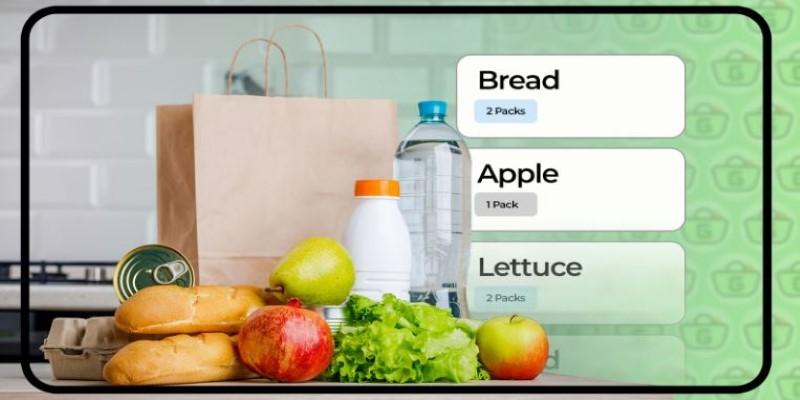
Its real strength lies in reducing guesswork. The shopping list feature pulls directly from inventory, so if something’s used up, it’s automatically added. Once restocked, it disappears from the list. There’s no need to remember if you bought something last week or worry about duplicate purchases.
Beyond groceries, it tracks chores with flexible scheduling. You can create one-time or recurring tasks and check them off when completed. Whether it's replacing filters or cleaning windows every few weeks, the app keeps quiet records instead of sending pushy alerts. It doesn’t treat you like you’ve failed if you miss a task. It simply logs what’s been done and what hasn’t.
The recipe feature is more than a cookbook. Recipes pull ingredients from your inventory and show you what’s missing. You can batch-add those to your shopping list with a tap, and the app updates your stock once the meal is made. For people who cook regularly, this small feature makes meal prep feel more planned and less repetitive.
Why It Works So Well?
What makes Grocy Android genuinely helpful is how little it asks of you. It gives full control but doesn’t demand input beyond what you choose to track. Most apps try to insert themselves into your routines. Grocy does the opposite—it builds structure around how you already live.
The app doesn’t care if you use it for groceries, household repairs, hobby gear, or office supplies. You define the categories and purpose. It doesn’t judge how often you update it or offer reminders to stay on track. It just keeps accurate records.
Grocy Android also avoids the over-designed look that many modern apps chase. It’s straightforward, fast, and uncluttered. Every action has a clear result. You don’t need a manual to use it, and nothing’s hidden behind a premium plan. That matters in an age where many apps feel like they’re built more for monetization than utility.
Because the app connects to a locally hosted Grocy server, your data stays with you. You don’t have to rely on cloud services or subscriptions to use all the features. It runs well even on budget Android phones, and barcode scanning with the camera feels natural.
Everyday Benefits That Stick
The longer you use Grocy Android, the more value it shows. You stop forgetting what’s in the pantry. You stop buying the same item twice. You spot patterns in how often you restock essentials. These small efficiencies add up.
Families or housemates can share access to the same Grocy server, so everyone sees the same lists and tasks. It removes the guesswork from shared responsibilities—no more asking who last cleaned the bathroom or bought the coffee.
You start to feel more in control without having to rely on reminders or apps that try to gamify everything. Grocy doesn’t care about your “streak” or habits. It focuses on facts—what you have, what you need, what’s been done.
That makes it surprisingly helpful in ways you might not expect. For example, when you’re planning meals, you can see which ingredients are close to expiry. Or if a product disappears from a shelf, you can check if it was used or just misplaced.
The app doesn't lock you into one way of organizing your home. Want to track cleaning supplies separately from food? Done. Need a log of household maintenance with custom categories? You can set that up yourself. It fits a wide range of needs without forcing you into someone else’s system.
The Future of Home Organization Is Quiet and Custom
Grocy Android isn’t trying to be everything to everyone. That might be why it succeeds where flashier apps fall short. It doesn't nudge you to log feelings or reward you with streaks. It assumes you’re capable of managing your space—you just need the right tools to make it smoother.
It’s a rare example of a utility app that respects its users. No ads, no upsells, no social features shoehorned in. Just clear, working features built around real-life routines. That makes it valuable not just for people trying to organize a house, but for anyone who appreciates practical tools that do their job and then get out of the way.
As more people look for alternatives to data-hungry or overdesigned apps, Grocy stands out by staying simple where it counts and flexible where it matters. Whether you're stocking a small kitchen, maintaining a busy household, or just tired of forgetting what’s in the freezer, this app can make things easier—not by doing the work for you, but by making the work more manageable.
Conclusion
Grocy Android is the kind of tool that doesn’t need hype to be useful. It stays focused on helping you organize your home with less noise and more control. It doesn’t ask for your time or data—it just helps you manage what you already have. From groceries to home maintenance, the app adapts to whatever rhythm you follow. For anyone tired of reminders, prompts, or tracking trends, this app is a refreshing return to utility. No pressure, no gimmicks—just a quiet, reliable helper that does its job and then steps aside.